Advanced MPS & In Vitro Systems Studio
Engineering the environments biology needs.
We design the system around your biology—from petri dish experiments to physiologically relevant models. Biology-first design, closed-loop automation, and imaging-compatible platforms built for translational impact.
About
We are an advanced MPS and in vitro systems studio. Founded by researchers trained at Harvard and Stanford, with over 15 years of combined experience and a publication record spanning Nature Communications, Advanced Materials, and Lab on a Chip—we design, build, and deploy complex physiological models that go beyond static cell culture.
Our work begins with the biology: understanding the tissue environment, the cellular behavior, and the experimental question. From there we engineer the system—selecting the right MPS architecture, designing the fluidic infrastructure, fabricating the device, and automating the workflow. We bridge the gap between petri dish experiments and clinically relevant biology.
Platforms
Four focused platform families, each engineered around the biology, flow conditions, microscopy, and downstream assays your study requires.
Platform 01
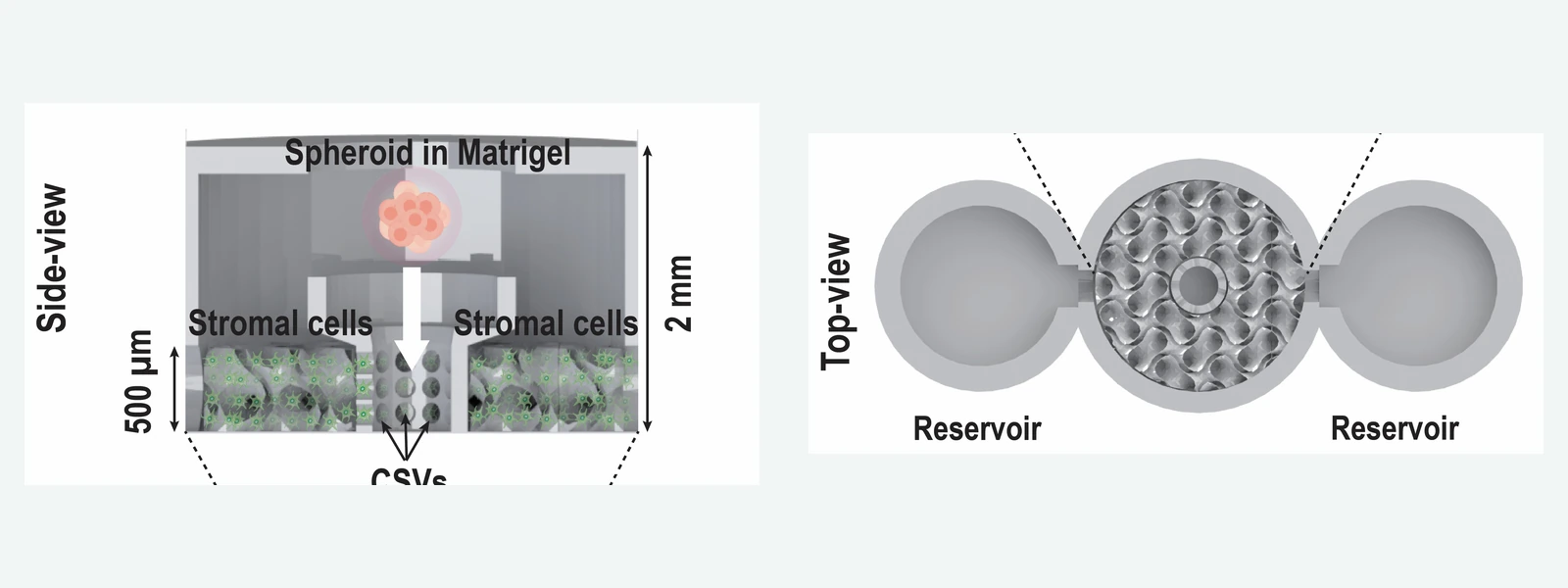
In vitro microphysiological systems (MPS)
Custom in vitro MPS and organ-on-chip development from biological requirements through architecture, fabrication, and validation.
- Biology-first architecture
- Imaging-ready design
Platform 02
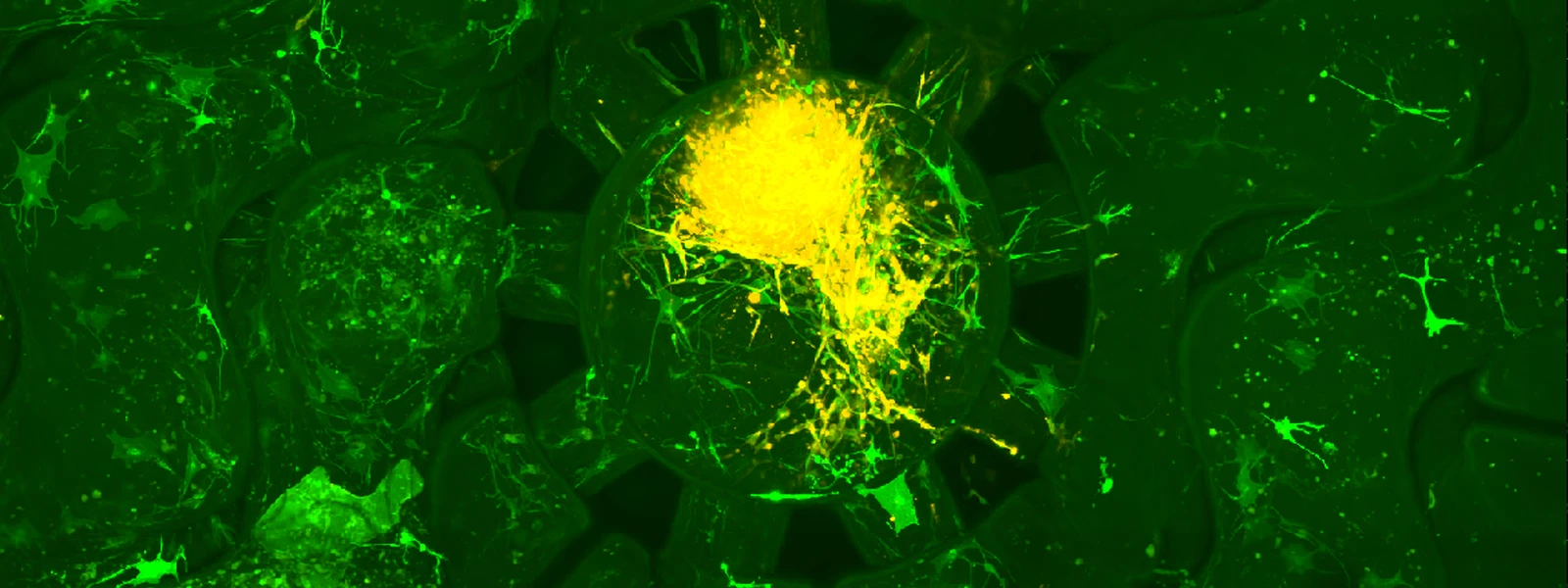
Organoids & spheroids
Controlled 3D culture platforms for reproducible tissue formation, maturation, perfusion, and drug-response studies.
- Uniform 3D culture
- Drug-response workflows
Platform 03
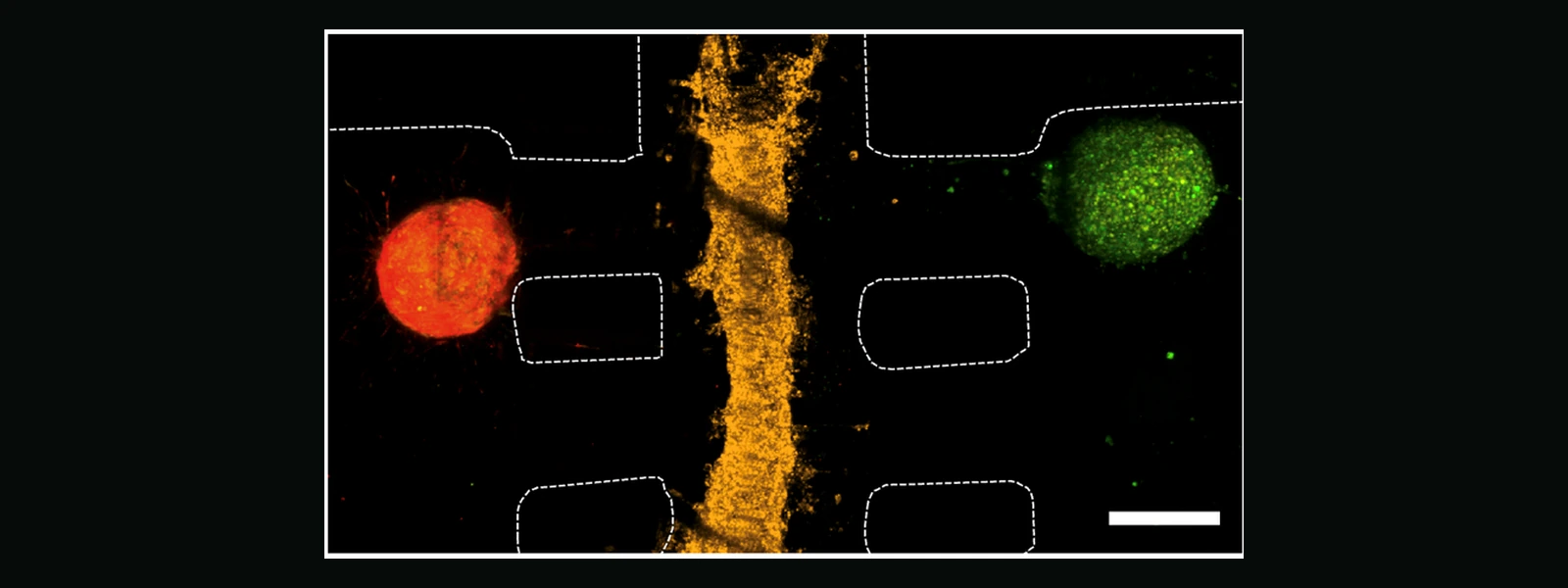
Blood–brain barrier (BBB)
Perfused blood–brain barrier models with controlled shear stress, compartmentalized co-culture, sampling access, and assay-ready readouts.
- Barrier integrity
- Co-culture & sampling
Platform 04
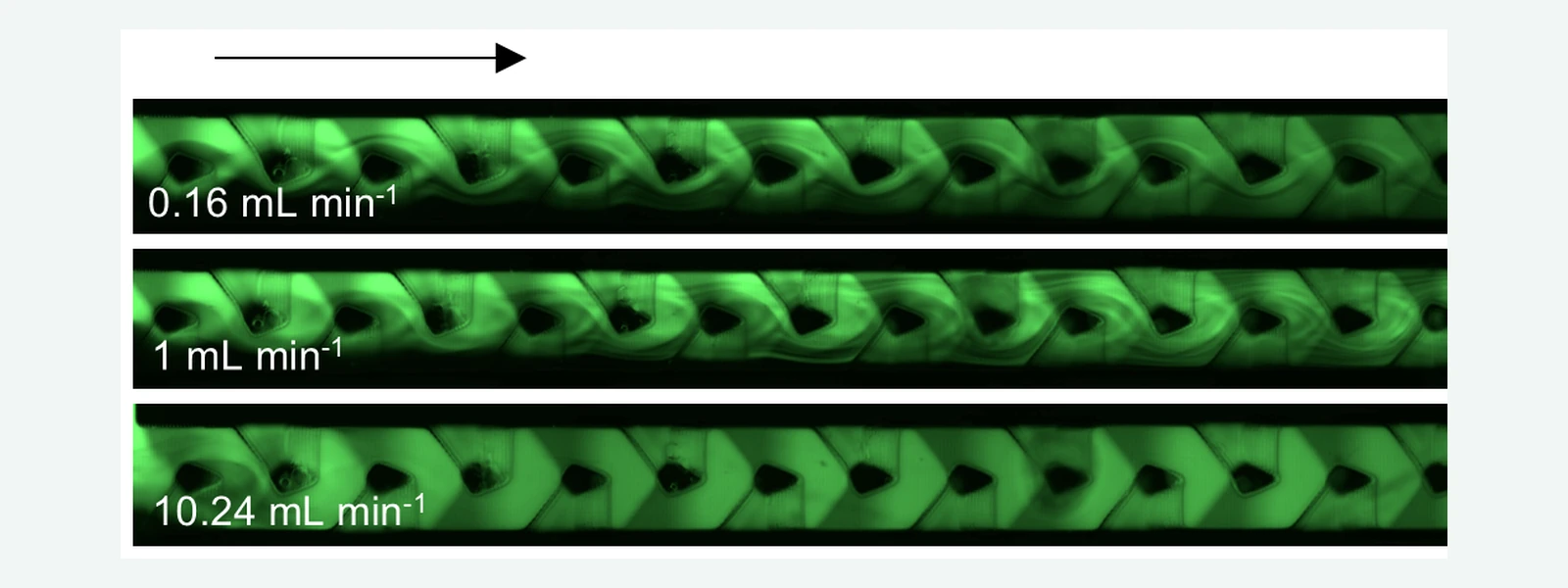
Flow systems
Reliable microfluidic perfusion systems integrating pumps, valves, reservoirs, sensors, bubble management, and programmable control.
- Precision perfusion
- Pumps, sensors & automation
How we work
Full-stack delivery from experimental design through device fabrication and closed-loop workflow automation. Every engagement starts with the biological question and the evidence needed to answer it.
Tier 1 — Discover & design
MPS & Experimental Design
We translate your biological question into testable hypotheses, controls, endpoints, sampling plans, and an MPS architecture. Flow, materials, cell sourcing, imaging, and assay requirements are defined before fabrication begins.
Tier 2 — Build
Device Fabrication & Integration
Biocompatible 3D-printed device fabrication, PDMS prototyping, fluidic integration, and pump, sensor, and tubing specification and setup.
Tier 3 — Deploy
Workflow Automation & Validation
Closed-loop perfusion control, automated media exchange, imaging pipeline integration, protocol development, and assay compatibility validation.
Advisory
Embedded Consulting
Ongoing technical advisory for biotech or academic teams building in-house MPS capability—from strategic guidance to hands-on troubleshooting.
Case studies
Representative problem-to-platform engagements spanning 3D culture, formulation, automation, and multi-cell MPS development.

Oncology and drug-delivery R&D
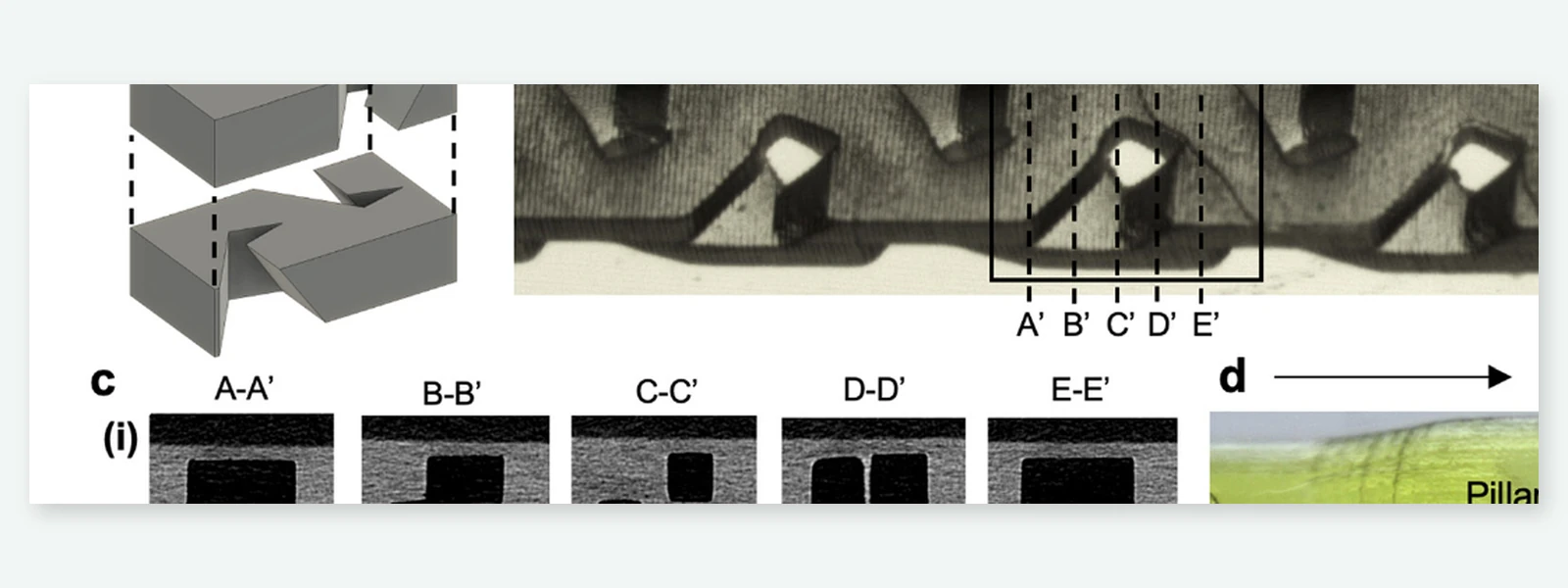
Spheroid formation & drug-delivery evaluation
- Challenge
- Generate uniform spheroids while measuring how a therapeutic or delivery vehicle penetrates and affects a physiologically relevant 3D tissue model.
- Studio solution
- Design a controlled-geometry formation platform with a repeatable seeding workflow, defined exposure conditions, and microscopy-ready readouts for penetration, viability, and treatment response.
- Deliverable
- Spheroid platform, formation and dosing protocol, experimental matrix, and image-analysis workflow.
Formulation and nanomedicine development
Microfluidic nanoparticle synthesis
- Challenge
- Reduce batch-to-batch variation while tuning particle size, dispersity, and formulation conditions across a practical operating range.
- Studio solution
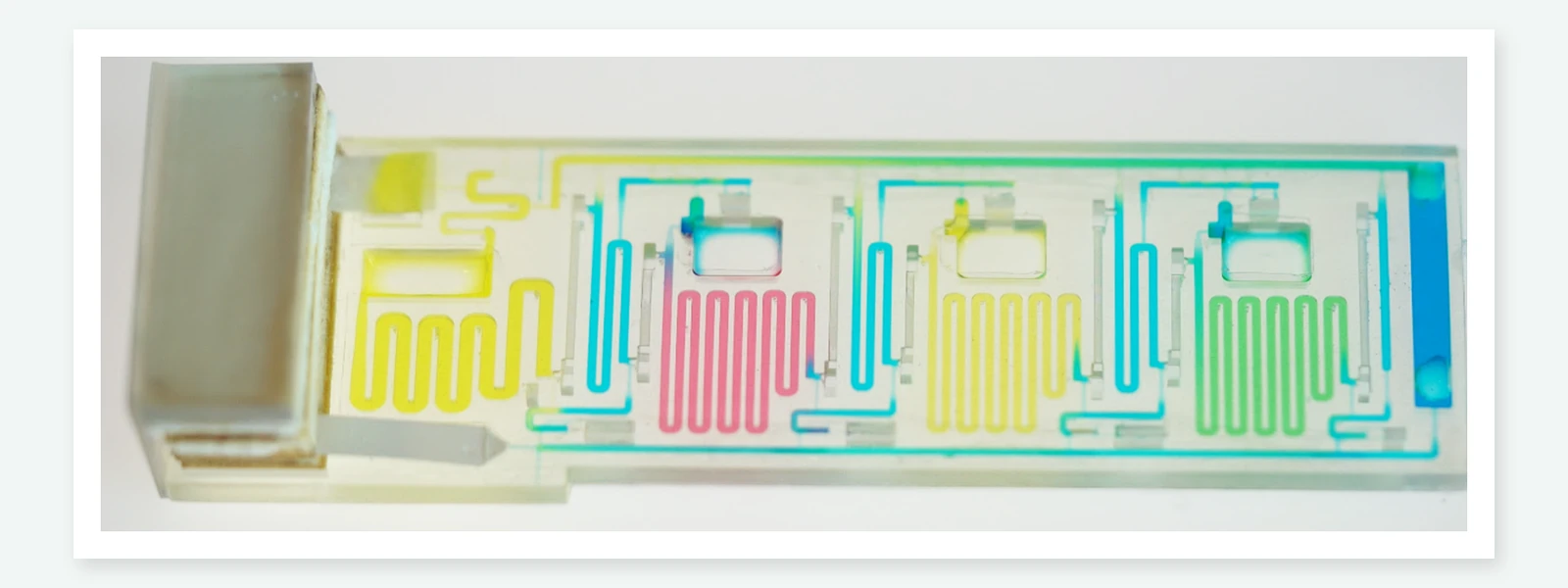
- Develop a continuous-flow mixer and a design-of-experiments plan around flow-rate ratio, total flow, concentration, and mixing geometry, with straightforward collection and scale-up paths.
- Deliverable
- Mixer design, operating map, fabrication package, and synthesis SOP for repeatable formulation screening.
Biotech and academic workflow scale-up
Automation using microfluidics
- Challenge
- Replace frequent manual interventions that introduce timing variation, contamination risk, and limits on experiment duration.
- Studio solution
- Integrate pumps, valves, reservoirs, bubble management, and programmable control for scheduled dosing, media exchange, sampling, and imaging-compatible perfusion.
- Deliverable
- Automated fluidic setup, control sequence, operating procedure, and validation plan with safe manual overrides.
Advanced in vitro model development
Co-culture & tri-culture MPS models
- Challenge
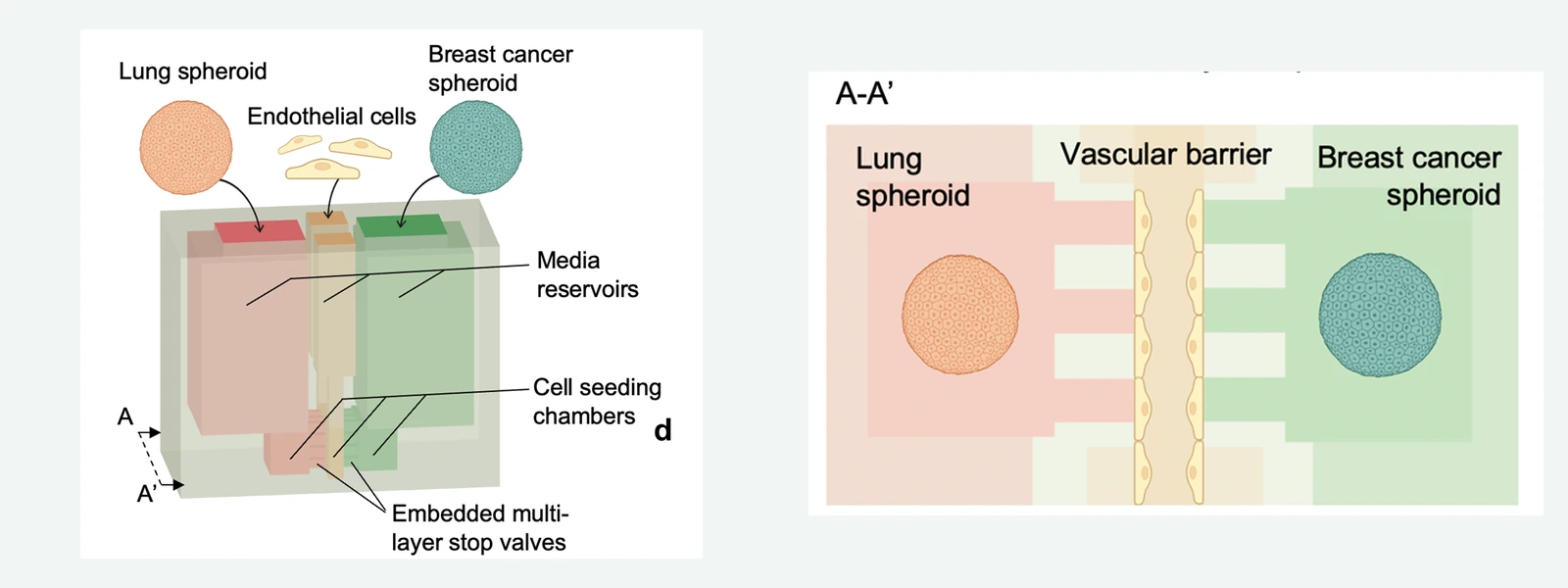
- Maintain multiple cell types in a shared system while preserving appropriate compartments, signaling, flow exposure, and cell-specific readouts.
- Studio solution
- Design the MPS topology, seeding sequence, matrix, media strategy, and flow regime around the intended cell–cell interactions, with accessible sampling and microscopy endpoints.
- Deliverable
- Model architecture, culture and perfusion protocol, sampling plan, and assay strategy for co-culture or tri-culture operation.
Applications
We work with pharma, biotech, and academic teams across biological domains—combining biological systems expertise, advanced microfluidic fabrication, and closed-loop automation in a single engagement.
Pharma R&D
Patient-derived organoid drug testing, permeability screening, and physiologically relevant assay development. We deliver closed-loop perfusion systems, validated SOPs, and imaging-compatible platforms that extend culture duration and reduce variability—on startup-compatible timelines with publish-quality rigor.
Biotech
Early-stage drug discovery pipelines that need 3D models beyond 2D cytotoxicity screens. From high-throughput spheroid platforms integrated with liquid handlers to custom MPS architectures for lead optimization—we design systems your team can operate independently after handoff.
Academic research
Compartmentalized neural devices, perfused wound models, and custom microfluidic chambers for labs that need customization beyond commercial catalogs. We provide device designs, master molds, replication protocols, and embedded advisory to help teams build in-house capability.
Contact & collaboration
Whether you are scoping an MPS platform, need fabrication support, or want embedded advisory for an in-house build—tell us about your biological question and we will outline how we can help.
Prefer email?
info@3Dfluidics.com